Redesign Your App Icon
Create professional redesign your app icon icons with AI in seconds
No credit card required
Choose from multiple styles
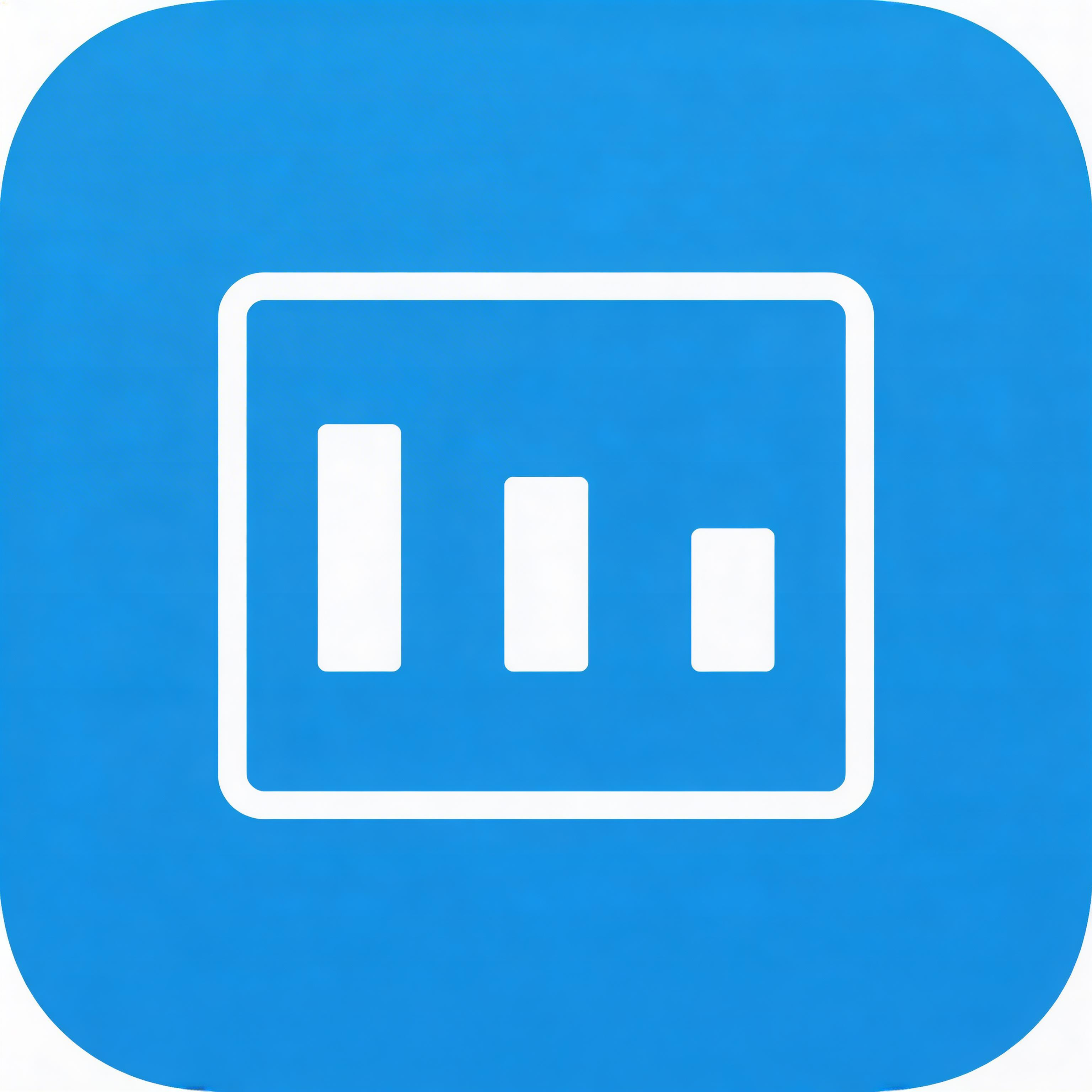
Flat Design
Clean, professional aesthetic
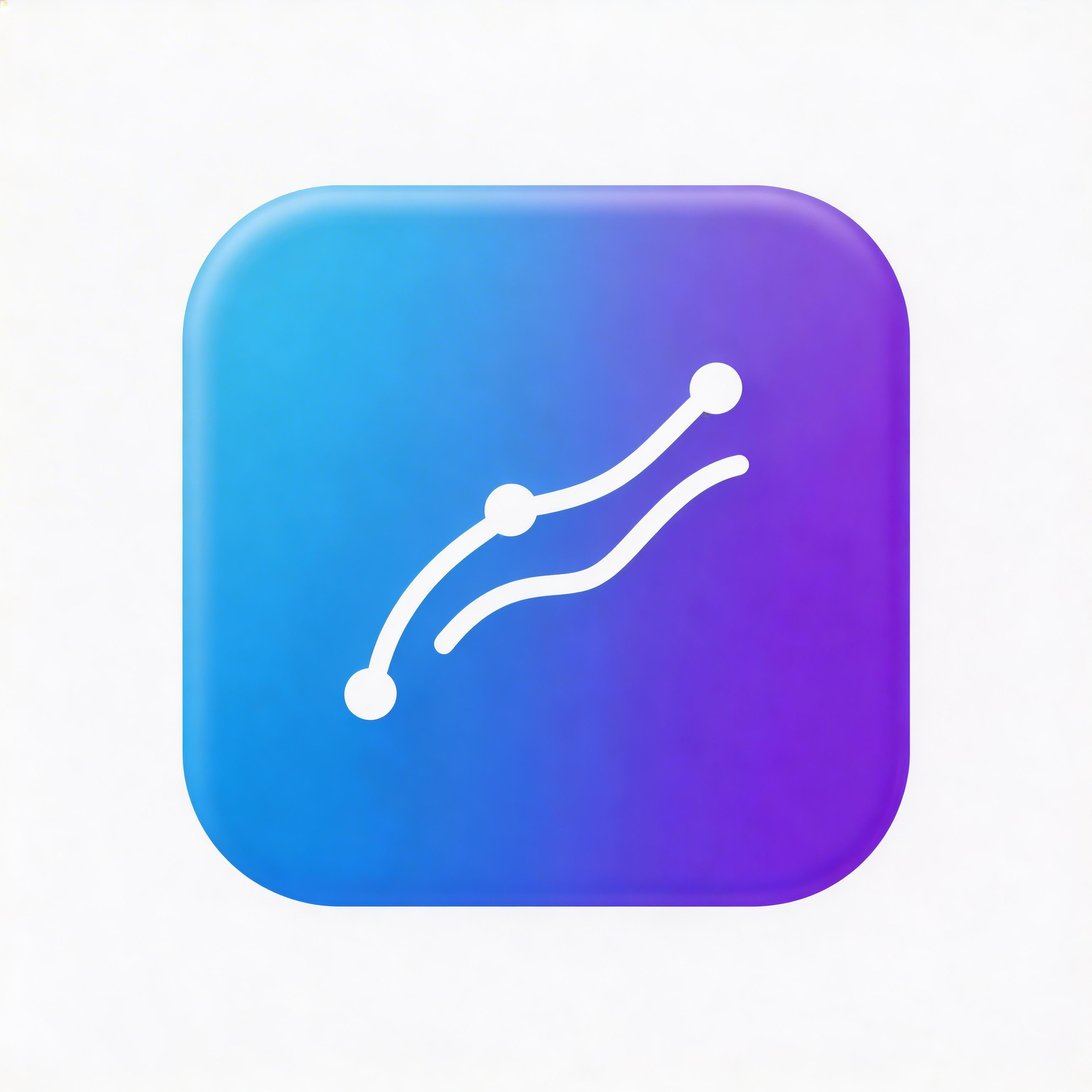
Gradient
Eye-catching modern look
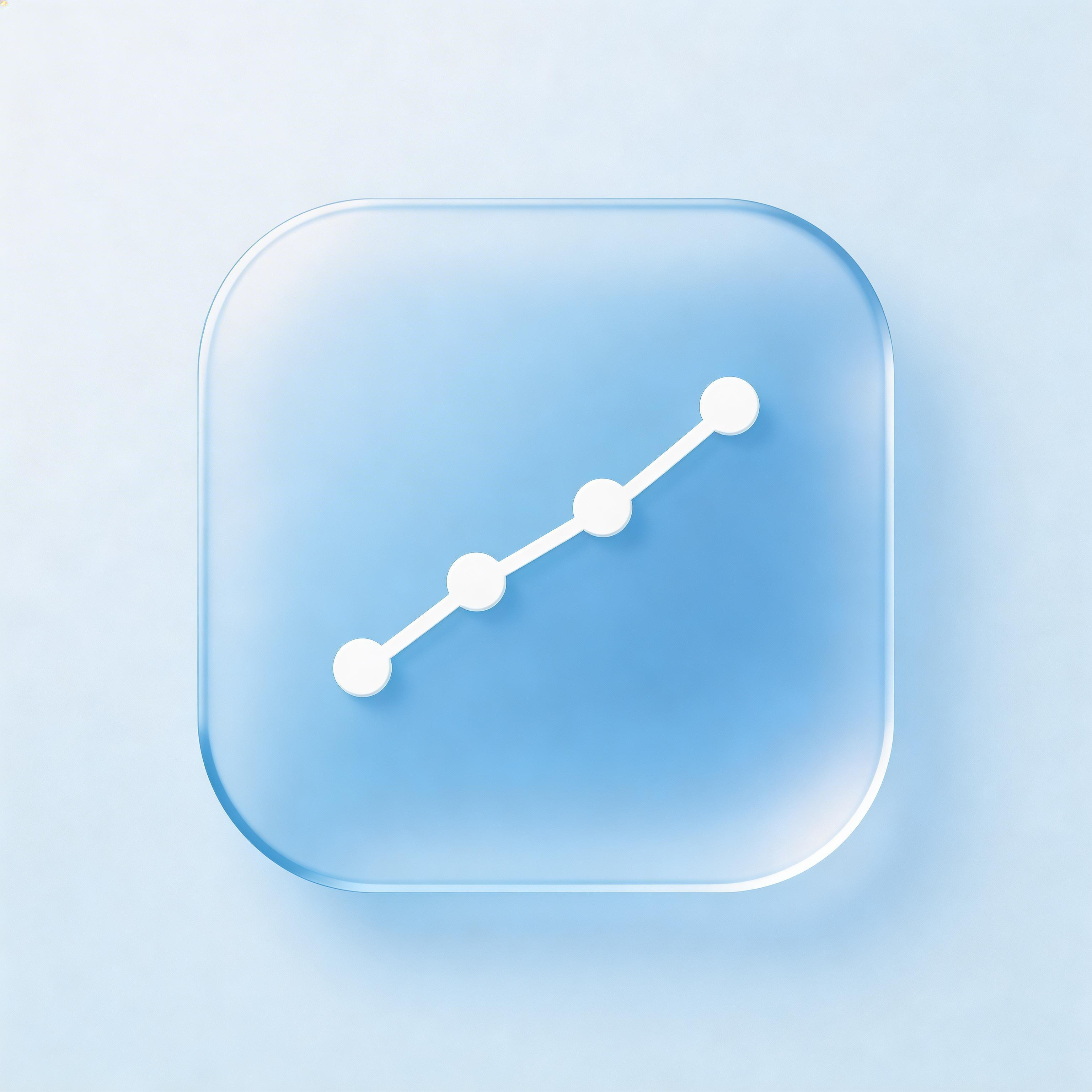
Glassmorphism
Frosted glass modern UI
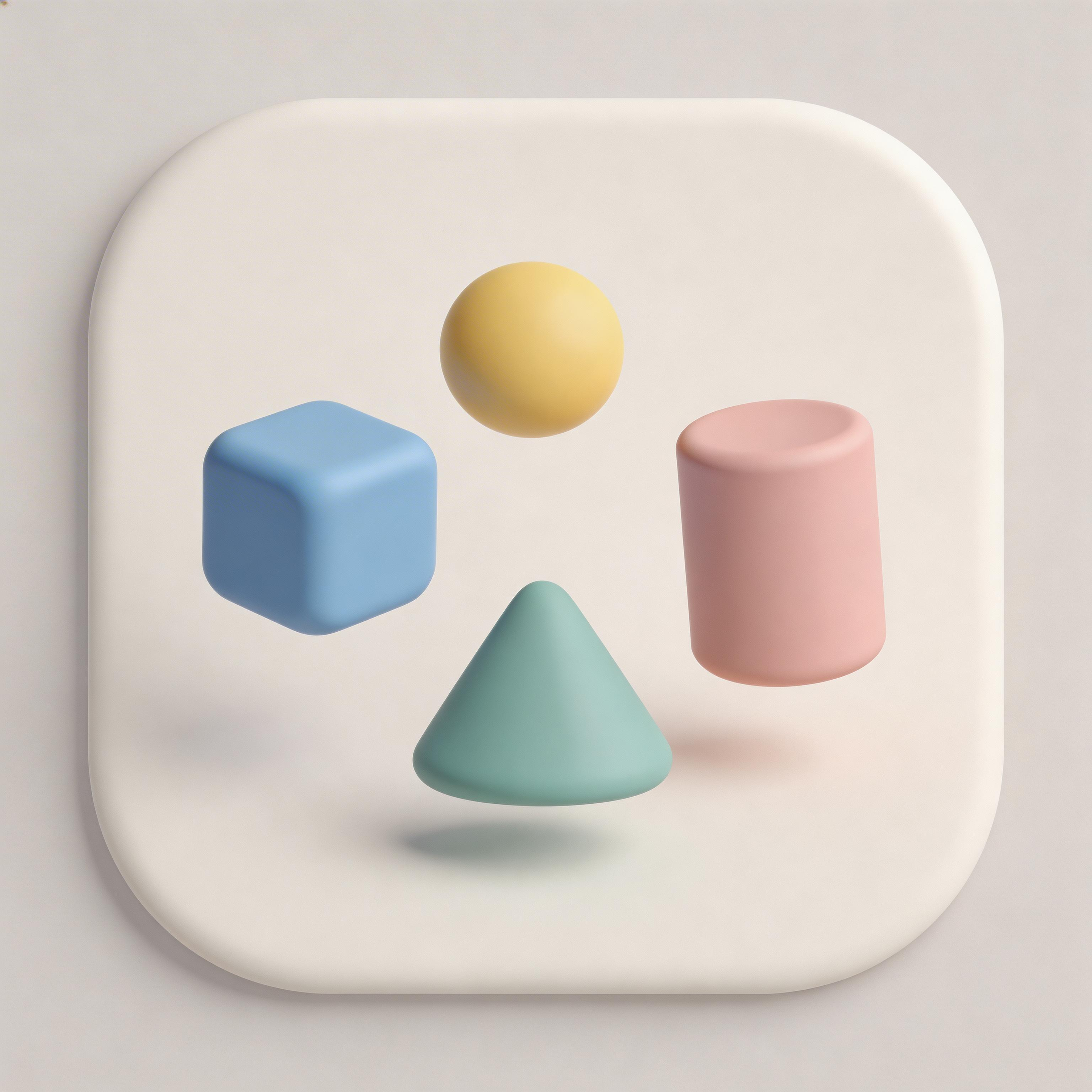
3D Rendered
Depth and realism
Minimalist
Simple and elegant
From idea to icon in seconds
Describe Your App
Tell the AI what your app does
Choose Style & Colors
Pick from optimized presets
Generate & Iterate
Create 2 variations instantly
Export & Ship
Download all sizes for every platform
Everything you need for perfect icons
Under 10 Seconds
Generate production-ready icons instantly
All Platforms
Export for iOS, Android, Apple Watch, and web
6 Style Presets
Flat, gradient, glassmorphism, 3D, minimalist
Category-Optimized
Designed for redesign your app icon apps
Frequently asked questions
When install rates decline, design trends shift significantly, or you rebrand your product. Not for every update.
Studies show 15-30% conversion lift from well-executed redesigns. Some apps see 22%+ install improvement.
Evolution (subtle refinements) is safer for established brands. Revolution works for significantly outdated icons.
Google Play has built-in Store Listing Experiments. For iOS, use SplitMetrics or StoreMaven with 1,000+ impressions.
Glassmorphism, Liquid Glass (iOS 26), AI-generated organic shapes, bold gradients, return to dimensional depth.
Ready to get started?
Icon redesigns are one of the most underestimated App Store Optimization (ASO) levers. The icon is the first thing a user sees in search results, so a redesign changes tap-through before any other listing element gets a chance. But here's what most developers get wrong: they redesign reactively ("our icon looks old") instead of strategically. They don't measure before/after, don't test variants, and don't time the redesign to maximize visibility. An icon redesign that coincides with an app update signals active development to the algorithm, triggers a feature placement opportunity, and gives users a reason to re-download or re-review your app. Timing, testing, and measurement transform an icon refresh from a cosmetic change into a growth lever.
Last updated: August 2026 | By IconikAI Team
When Is the Right Time to Redesign Your App Icon?
Icon redesigns work best at specific moments. Timing matters because App Store algorithms factor in activity signals—an icon update bundled with a version release gets higher visibility than a standalone icon change.
Optimal Timing for Icon Redesigns
During major feature releases (Best signal)
- New feature = app update
- Icon refresh = visual signal of evolution
- Combined impact: Algorithm treats this as more significant
- Example: Major version (1.0 → 2.0, 2.5 → 3.0)
During seasonal peaks
- Holiday season, back-to-school, tax season
- Users are actively downloading apps in your category
- Fresh icon catches attention in crowded app store
- Example: Expense app redesigns in January, fitness app in January
During major design trend shifts
- iOS design language changed (iOS 25 → iOS 26)
- Your current icon is 2+ years old
- Competitors have moved to new visual language
- Users perceive your app as outdated
During momentum phases
- You've just passed 100K downloads, 1M downloads
- Your engagement metrics are trending up
- You're investing in marketing
- Fresh icon capitalizes on existing traffic
Avoid Redesigning
- Right before a major bug fix release (separate the signals)
- When your app is in decline (treat the root cause first, then redesign)
- Without testing the new icon first (redesign is low-friction enough to validate)
Evolution vs Revolution: Two Redesign Strategies
There are two approaches to icon redesigns. Choose based on your goals.
Strategy 1: Evolution (Safe, Lower Risk)
Keep the core concept but modernize the visual style.
Approach:
- Keep the same primary symbol or shape
- Update colors to match current trends
- Simplify unnecessarily complex elements
- Apply modern design language (Liquid Glass, minimalism, etc.)
Example: A chat app icon that remains a speech bubble, but transitions from flat design (iOS 24) to glassmorphism (iOS 26)
Best for:
- Established apps with strong icon recognition
- Apps where users associate the symbol with your brand
- Conservative brands or professional tools
- Apps with 100K+ downloads (users know you)
Conversion impact: Typically 8-18% install rate increase
Risk: Minimal. Users recognize the updated icon as your app, not a new app.
Strategy 2: Revolution (Bold, Higher Reward)
Completely redesign the icon to match a new brand direction or market position.
Approach:
- New primary symbol or concept
- New color palette
- New style (e.g., minimalist flat → 3D rendered)
- Signals brand evolution
Example: An email app transitions from an envelope icon to an abstract "message burst" 3D icon, repositioning from "email client" to "unified communications platform"
Best for:
- Apps pivoting to a new market
- Apps rebranding or refocusing
- Apps in decline that need disruption
- Newer apps (under 50K downloads) without strong brand lock-in
Conversion impact: 20-40% install rate increase, but with higher churn risk if existing users don't recognize it
Risk: Some existing users might not recognize the new icon; watch your uninstall rate closely for 2-3 weeks post-launch
How to A/B Test Icon Redesigns on iOS and Android
Testing is critical. A/B testing icons lets you measure impact before rolling out to all users.
iOS Testing (Using TestFlight)
-
Create two TestFlight builds — One with current icon, one with new icon
-
Split your beta testers — 50% get the current icon, 50% get the new icon
-
Run for 2-4 weeks — Measure engagement metrics:
- Retention rate (Day 1, Day 7, Day 30)
- Session length
- Feature usage (are they exploring the app, or leaving?)
- Crash rate
-
Compare cohorts — Which icon group retained more users? Which group spent more time in-app?
Important: TestFlight install rates aren't predictive of App Store install rates, so focus on engagement, not installs.
Android Testing (Using Firebase A/B Testing)
-
Set up Firebase Remote Config — Different users get different icon image URLs
-
Segment 20-50% of your user base — Control group (current icon) vs test group (new icon)
-
Run for 2-4 weeks — Measure Google Play Store metrics:
- Install rate (new installs with new icon vs old)
- Uninstall rate
- Engagement metrics (same as iOS)
-
Compare Google Play Console analytics — Filter by icon variant and measure conversion
Pre-Launch Testing (Before Any Release)
Use survey tools or quick focus groups:
- Show 20-30 people both icons — "Which of these represents a [your app category] app?"
- Measure recognition rate — Do people understand what your app does?
- Measure appeal — Which icon would you download first?
- Watch for confusion — Is the new icon too similar to competitors?
Measuring ASO Impact After an Icon Update
Once your redesign goes live, track these metrics weekly for 4 weeks:
| Metric | How to Track | What to Expect | Interpretation |
|---|---|---|---|
| Install rate | App Store Connect (iOS), Google Play Console (Android) | Up, measured over the first 2 weeks | Icon is more appealing to new users |
| Uninstall rate | App Store Connect, Google Play Console | Should stay flat or decrease | Users aren't confused by the new look |
| Feature discovery rate | In-app analytics | Flat to up | More new users exploring features |
| Day-7 retention | In-app analytics | Flat to up | New users are more engaged |
| Search rank improvement | App Store keyword tracking | May improve over 3-4 weeks | Fresh icon signals activity to algorithm |
Most important metric: Compare install rate for your top 10 keywords before and after the redesign.
Step-by-Step: Icon Redesign Workflow
- Analyze your current icon — What works? What's dated? What's unique?
- Audit competitors — What icons do top 5 apps in your category use? How can you be different?
- Sketch 3-5 directions — Try evolution, revolution, and hybrid approaches
- Generate with AI — Use IconikAI to rapidly prototype redesigns in 60 seconds per direction
- Get feedback — Show designs to 10-20 target users; measure recognition
- Run A/B test — TestFlight or Firebase A/B test for 2-4 weeks
- Measure baseline metrics — Install rate, retention, search rank before redesign
- Bundle with app update — Redesign coincides with a real feature or bug fix
- Launch and monitor — Track impact for 4 weeks post-launch
- Iterate — If metrics are positive, keep it. If not, test another direction
Common Icon Redesign Mistakes (and How to Avoid Them)
Mistake 1: Redesigning in isolation Result: New icon confuses existing users who expect the current look. Solution: A/B test before launching to 100% of users.
Mistake 2: Changing too much at once Result: Can't isolate whether icon or other changes (features, pricing, UI) drive metrics. Solution: Change icon alone; separate feature launches from icon updates.
Mistake 3: Not timing with an app update Result: Icon change is invisible to the algorithm; minimal visibility boost. Solution: Redesign during major version release (1.5 → 2.0) or significant feature addition.
Mistake 4: Ignoring uninstall rate post-launch Result: Existing users don't recognize the new icon, churn spikes, and you don't notice for a week. Solution: Monitor uninstall rate daily for 14 days post-redesign. If uninstall rate spikes >20% above baseline, revert or publish a note explaining the update.
Mistake 5: Redesigning too frequently Result: Users can't build icon association; recognition suffers. Solution: Stick with an icon for 12-24 months between major redesigns.
Frequently Asked Questions
How much does an icon redesign increase install rate? It depends on how weak the old icon was and how well the new one reads at 60px. IconikAI users see a 35% average download lift; a poorly chosen redesign can also go flat or negative. Measure it: compare install rate on your top keywords for two weeks before and after.
Should I redesign my icon if my app isn't growing? Only if your icon is 2+ years old or clearly outdated. Icon redesign alone won't fix a declining app. Fix the product first, then redesign the icon.
Can I revert to my old icon if the redesign doesn't work? Yes, but not instantly. Reverting requires a new app version and app store review (12-24 hours). Better to test thoroughly before launching (A/B test) than to guess.
How do I tell if my current icon is dated? Compare it to the top 10 apps in your category. If they've all moved to newer design styles and yours hasn't, it's probably dated. Also ask: "Would I download this icon today if I saw it for the first time?"
What's the best timing for icon redesign? Major version release (e.g., 2.0 launch, significant feature addition) coinciding with seasonal peaks (January, back-to-school, holidays).
Should I tell users about the icon change in release notes? Optionally. A simple note ("Fresh new look!") can prevent confusion. But don't over-explain; users notice and appreciate good design without needing prompts.
Create Your Redesigned Icon Now
Test new icon directions in seconds with IconikAI's AI icon generator. Generate evolution, revolution, and hybrid redesigns to A/B test on your user base before launching.
Generate Redesign Options — Free
Also need updated app screenshots to match your new icon? Generate new store graphics in one click.
Ready to grow? Custom app optimization starting at $1,000 includes ASO strategy, icon redesign testing, and conversion optimization.