Lifestyle App Icon Generator
Create professional lifestyle app icon generator icons with AI in seconds
No credit card required
Choose from multiple styles
Flat Design
Clean, professional aesthetic
Gradient
Eye-catching modern look
Glassmorphism
Frosted glass modern UI
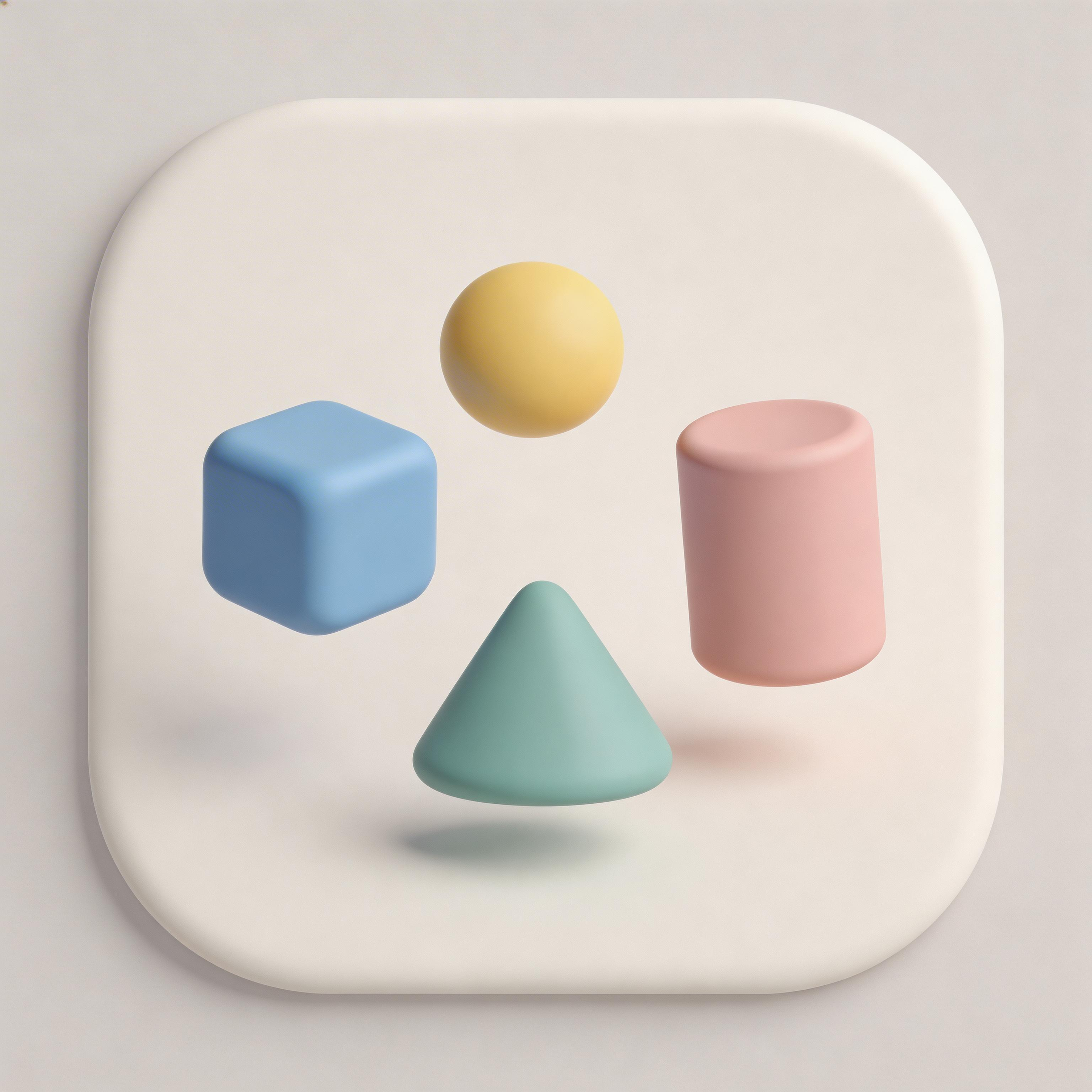
3D Rendered
Depth and realism
Minimalist
Simple and elegant
From idea to icon in seconds
Describe Your App
Tell the AI what your app does
Choose Style & Colors
Pick from optimized presets
Generate & Iterate
Create 2 variations instantly
Export & Ship
Download all sizes for every platform
Everything you need for perfect icons
Under 10 Seconds
Generate production-ready icons instantly
All Platforms
Export for iOS, Android, Apple Watch, and web
6 Style Presets
Flat, gradient, glassmorphism, 3D, minimalist
Category-Optimized
Designed for lifestyle app icon generator apps
Frequently asked questions
Lifestyle = personal expression (hearts, flowers, organic shapes). Fitness = physical activity (dumbbells, running, heartbeats).
Soft pastels (pink, lavender, mint), warm earth tones, coral. These signal personal care and daily wellness.
Hearts (dating/wellness), flowers/leaves (beauty/nature), home (lifestyle), brush/palette (fashion/style).
Yes — describe 'dating' or 'social connection' and the AI generates heart, chat, and people-based variations.
Ready to get started?
Lifestyle is the broadest App Store category—it encompasses wellness, dating, fashion, home, beauty, travel, astrology, meditation, productivity, and 50 more subcategories. This breadth creates a unique challenge: how do you design an icon that's meaningful to your specific niche while standing out in a category with 20,000+ apps?
The lifestyle category is also highly competitive at the top (Tinder, Airbnb, Calm, Duolingo all started as lifestyle apps) but has tremendous opportunity in underserved niches. A successful lifestyle app icon must balance clear category recognition with bold visual distinctiveness. Lifestyle apps with unique visual branding (custom color palettes, distinctive illustrations) stand out in a category where most icons look templated — and standing out at 60px, where the install decision happens, is what converts.
Last updated: August 2026 | By IconikAI Team
The Broadest Category: How to Stand Out in Lifestyle
Lifestyle apps succeed or fail based on positioning clarity. Tinder is dating; Calm is meditation; Duolingo is language learning; Airbnb is travel. Their icons work because they immediately signal their specific niche—not "lifestyle" in general, but dating/meditation/learning/travel specifically.
Your challenge: define your niche ruthlessly, then design an icon that screams that niche before users read your app name.
The Positioning Clarity Formula:
- Niche clarity first — Icon must signal your specific lifestyle subcategory, not "lifestyle" broadly
- Visual distinctiveness — Color, style, or symbol that's uniquely memorable
- Emotional resonance — Icon should feel like it "belongs" to your target user
- Modern treatment — Design style that feels current and high-quality
Positioning failure examples: Generic heart icon (could be dating, could be health, could be anything), meditation flower (could be wellness, could be beauty), travel suitcase (could be travel, could be business tools).
Positioning success examples: Tinder's flame (dating specifically), Calm's concentric circles (meditation specifically), Duolingo's owl (language learning specifically).
Wellness vs Fashion vs Dating: Different Visual Languages
The lifestyle category contains fundamentally different subcategories, each with distinct visual language and design expectations. Your icon must speak the language of your niche.
Wellness & Meditation Lifestyle Apps
Visual Language: Calm, serene, minimalist, nature-inspired. Symbols: Circles, mandalas, trees, leaves, mountains, water, lotus flowers. Colors: Soft blues, purples, greens, warm grays. Style: Minimal, gradient, organic shapes. Psychology: Peace, growth, balance, nature.
Top tier examples: Calm (concentric circles, soft blue gradient), Headspace (friendly character in minimalist style), Insight Timer (simple circle with line).
Design approach: Use soft, natural colors and organic shapes. Avoid harsh lines, bright neons, or chaotic designs. The icon should feel like a "pause" from the user's stressful day. Gradient styling works well here.
Fashion & Beauty Lifestyle Apps
Visual Language: Bold, trendy, color-driven, sometimes humorous. Symbols: Clothing, makeup items, mirrors, people/silhouettes, accessories. Colors: Bright, saturated, trending (pastels, neons, brand-specific). Style: Flat, colorful, sometimes illustrated. Psychology: Confidence, style, beauty, self-expression.
Top tier examples: ASOS (bold wordmark), Shein (colorful, playful, youth-oriented), Sephora (bold "S" in brand colors).
Design approach: Use trend-forward colors and bold shapes. Include a fashion or beauty element (clothing piece, makeup item, silhouette). Modern flat design works well; gradient or 3D can feel premium. This category rewards visual boldness.
Dating & Social Lifestyle Apps
Visual Language: Playful, approachable, warm, human-focused. Symbols: Hearts, faces, people, fire (for attraction), sparkles, connection elements. Colors: Warm (red, orange, pink), sometimes trending. Style: Flat, colorful, sometimes character-driven. Psychology: Connection, attraction, community, fun.
Top tier examples: Tinder (iconic flame), Bumble (bee symbol in bold yellow), Hinge (heart-focused, warm aesthetic).
Design approach: Use warm colors (red, orange, pink) with playful, human-focused symbols. Avoid overly romantic or generic; trend toward playful and approachable. Character-driven icons (faces, stylized people) work particularly well.
Travel & Adventure Lifestyle Apps
Visual Language: Adventurous, exploratory, natural, sometimes aspirational. Symbols: Maps, planes, mountains, destinations, landmarks, globes, compass. Colors: Blue (adventure, sky, water), warm earthy tones, brand-specific. Style: Flat, illustrated, sometimes 3D. Psychology: Adventure, discovery, freedom, escape.
Top tier examples: Airbnb (A-based symbol, warm red/pink), Google Maps (Google colors with map pin), Expedia (compass and destination symbol).
Design approach: Use blue, earth tones, or warm colors that signal adventure and discovery. Include a location, map, or exploratory symbol. Flat illustration or gradient works well. This category rewards aspirational imagery—make users imagine the adventure.
Home & Living Lifestyle Apps
Visual Language: Modern, functional, warm, design-forward. Symbols: Home, furniture, interior elements, trees (plants), geometric layouts. Colors: Warm neutrals, design-forward tones, sometimes brand-specific. Style: Flat, minimalist, geometric. Psychology: Comfort, control, customization, home.
Top tier examples: Ikea (bold ikea wordmark), Airbnb (also home), Pinterest (P symbol, minimal red).
Design approach: Use warm, design-forward colors and home/interior-related symbols. Minimize visual clutter—users associate home apps with organization and clarity. Flat, minimal design works best.
Color Palette Breakdown by Lifestyle Subcategory
| Subcategory | Primary Colors | Secondary Colors | Design Style | |------------||----------|---| | Wellness/Meditation | Soft blue, purple | Green, warm gray | Minimal, gradient | | Fashion/Beauty | Pastels, bright colors | Trend-specific neons | Bold flat, colorful | | Dating/Social | Red, orange, pink | Warm, playful | Flat, character-driven | | Travel/Adventure | Blue, earth tones | Warm tones, green | Flat, illustrated | | Home/Living | Warm neutrals, teal | Green (plants), gray | Minimal, geometric | | Fitness/Sports | Bright colors, black | Red, orange, green | Bold flat, dynamic | | Education/Language | Colorful, character-driven | Trend-specific | Illustrated, playful | | Productivity/Work | Blue, purple, minimalist | Neutral, brand colors | Minimal, flat, glassmorphism |
Emotional Resonance: Designing for Your User
The most successful lifestyle app icons trigger an emotional response in their target user before the user even reads the app name.
Example: Calm—The icon (concentric circles) triggers "meditation," "focus," "peace." Target user sees icon and feels "yes, this is for me." Color (soft blue) reinforces calm emotion. Result: icon acts as implicit messaging ("I'm a meditation app").
Example: Tinder—The flame triggers "attraction," "dating," "heat." Target user immediately knows category and tone. Iconic, impossible to confuse with other apps. Result: icon is so distinctive it becomes the brand identity.
Example: Duolingo—The owl character triggers "education," "learning," "fun." Target user feels "this is approachable, not intimidating." Character-driven distinctiveness creates emotional connection. Result: icon is beloved and frequently shared.
Your formula for emotional resonance:
- Define your target user's emotional state or aspiration (peaceful, confident, adventurous, connected)
- Choose a color that triggers that emotion (calm = soft blue; dating = warm red; adventure = blue)
- Choose a symbol that represents that emotional state (meditation circles for calm; flame for heat/dating)
- Apply design style that amplifies the emotion (serene = minimal; dating = playful; adventure = adventurous)
Design Style Trends in Lifestyle Apps (2026)
Gradient Design—Works across all lifestyle niches. Feels modern and premium. Particularly effective in wellness and beauty.
Flat Design—Clean, simple, modern. Works best for dating, social, fashion. Often paired with bold color.
Illustrated/Character—Highly distinctive, memorable. Creates emotional connection. Works best for education, fun-focused apps. Example: Duolingo.
Glassmorphism—Very modern, cutting-edge. Works best for premium positioning. Growing among tech-forward, younger audience.
3D/Metallic—Highest visual impact. Risk of feeling dated if not executed perfectly. Limited adoption; most choose gradient instead.
Best practice: Start with emotional tone, then choose style. Wellness apps trend toward minimal and gradient. Dating apps use flat and playful. Travel uses illustrated. Fashion uses bold colors.
Create Your Lifestyle Icon with AI
Use IconikAI's free app icon generator to test dozens of lifestyle icon concepts instantly—wellness symbols, fashion elements, dating icons, travel imagery—all in modern styles optimized for your niche.
- Describe your lifestyle niche — "Wellness meditation app" or "Dating app for professionals" or "Travel discovery platform"
- Choose your emotional tone — Calm, playful, adventurous, confident, connected
- Select your primary color — Soft blue (wellness), warm red (dating), bold pastels (fashion), etc.
- Pick design style — Gradient, flat, illustrated, or glassmorphism
- Generate variations — Compare the 2 variants from each generation, then re-run or chat-edit to refine
- Export for all platforms — iOS, Android, Apple Watch, web
Then create lifestyle-focused screenshots showing your app's experience alongside your new icon. And if you're building from scratch, custom MVP development starts at $1,000 for a 10-day build.
Frequently Asked Questions
How do I figure out my lifestyle subcategory positioning?
Define your answer to: "My app is for people who want to [specific outcome]." Wellness = people who want peace/mindfulness. Dating = people who want romantic connections. Travel = people who want adventure. Fashion = people who want style confidence. Your icon should immediately signal that specific outcome, not "lifestyle" broadly.
Should I use a character (like Duolingo's owl) or a symbol (like Calm's circles)?
Character icons (Duolingo, Snapchat) drive extremely high memorability and emotional connection but are harder to execute. They work best for education, playful, or fun-focused apps. Symbol icons (Calm, Tinder, Airbnb) work across all positioning and are safer bets. Use character if it authentically fits your brand; use symbol if you want broad appeal and clarity.
What if my lifestyle app crosses multiple subcategories (e.g., wellness + fitness + coaching)?
Lead with your primary value prop and strongest positioning. If you're 70% wellness and 30% fitness, lead with wellness symbols and colors. If you're equally both, choose the symbol that represents your unique approach (e.g., "active wellness" = heart + mountain symbol). Primary positioning in your icon; secondary comes through screenshots.
How do I differentiate my lifestyle icon from 50 other apps in the same niche?
Most apps in your niche will use similar color palettes and symbols (wellness apps almost all use blue). Differentiate through: (1) specific color shade (dark blue vs light blue vs teal), (2) unique symbol treatment or combination, (3) modern design style (gradient, glassmorphism over flat). Color + treatment + style = distinctive within your category.
What color should I use if I'm targeting a specific demographic?
Research your demographic's color preferences: younger audiences respond to trend-forward pastels and brights; older audiences respond to calming blues and neutrals; male-dominated communities often use dark/bold colors; female-dominated communities often use pastels/brights. But let your brand identity guide this—authentic brand color beats demographic stereotype.
Create Your Icon Now
Generate a distinctive, emotionally resonant lifestyle app icon in seconds with IconikAI.
Generate Your Icon — Free — No credit card required.
Need lifestyle-focused screenshots to showcase your app? IconikAI generates stunning mockups with your new icon.
Building a full lifestyle app? We ship custom MVPs in 10 days starting at $1,000.